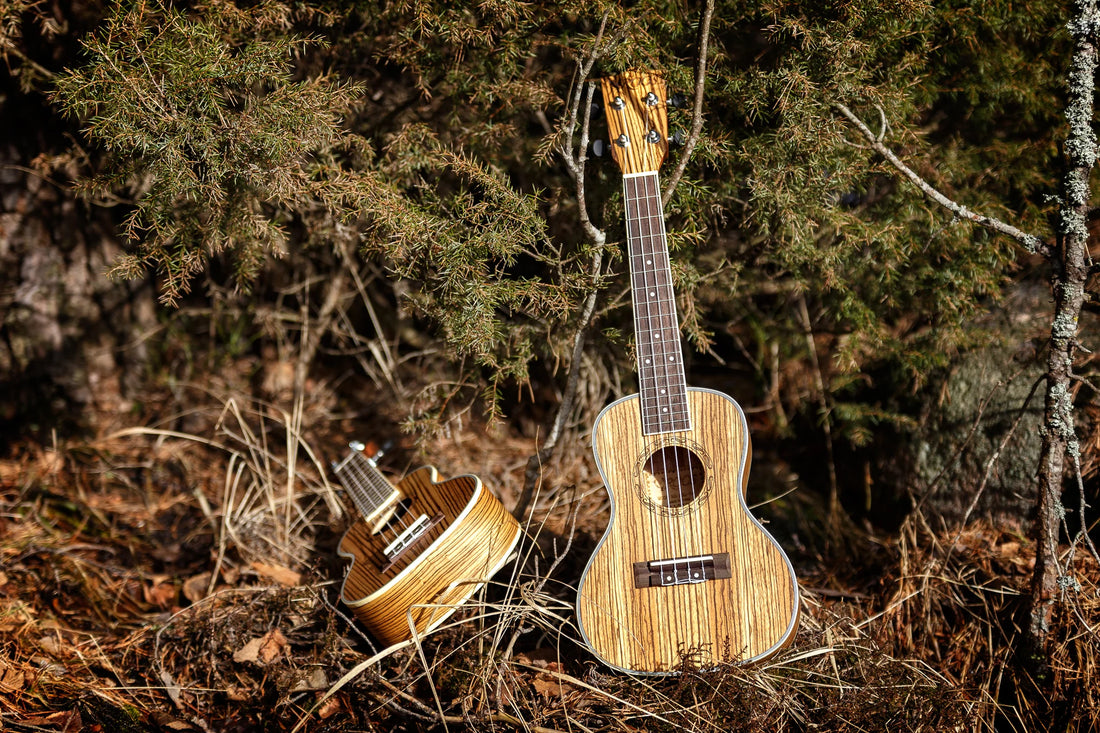
There is not just one way to tune the ukulele. Looking around the world, different moods occur. The one that is most common internationally is the so-called C-stemming. But in the Nordic countries, and in certain parts of Europe, the D tuning is also common. The C tuning is the most common on YouTube and similar media. At the same time, most textbooks in the Nordics take D tuning as their starting point. This creates confusion. At the same time, there is similar confusion, variation and disagreement among multitudes of instruments and instrument groups.
Voice without device:
If you lack a voting device, do not have access to any other instrument, or lack a good "musician", it is still not impossible to vote. In any case, not if the ukulele is tuned to some extent beforehand.
When the ukulele has been lying for a while, the tuning often drops. The third string has the least tendency to drop in tuning, as it is the most loosely strung. Therefore, it can often be used as a starting point. Press down on the fourth fret of the third string. Now it should sound like a loose second string. Adjust the second string until they sound the same note.
Press down on the fifth fret of the second string. Now it should sound like a loose first string. Adjust string number one until they sound the same note.
Press down on the second fret of the fourth string. Now it should sound like a loose first string. Adjust string number four until they sound the same note. Now the ukulele is in tune. At least mutually. That's enough for you to be able to get started and play.
With tuning device (tuner):
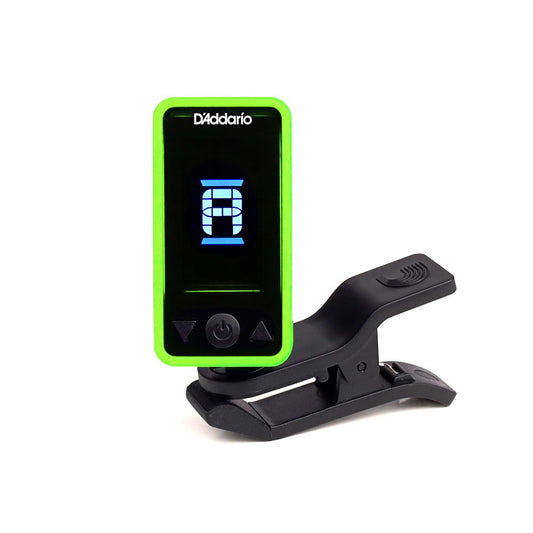
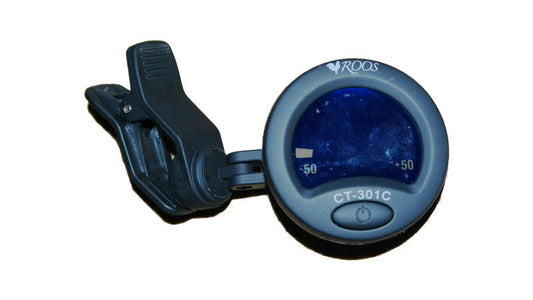
Are you one of those who struggle to get your ukulele tuned despite owning a tuning machine? Did it actually feel better before you voted? No, you are not alone. Below are some tips and points that might make it easier for you. The advice is general, i.e. they work roughly the same, regardless of what kind of voting device you have. Or what stringed instrument you play.
Screw in moderation!
Do not turn half a turn until you have figured out which way to turn! Often a quarter turn, perhaps an eighth of a turn is sufficient. If not that.
Different types of tuning screws have different ratios, i.e. how much you need to turn for something to happen.
If you absolutely have to twist a lot, then twist so that you slacken the string. Because regardless of whether you tune with an instrument or by ear, you usually find it easier to hear when you hit the right note if you start below it and "look upwards". You also reduce the risk of the string breaking, because you tighten it too tightly.
Play one string at a time. A tuner can only listen to one string at a time. (Okay, there are exceptions, but they're still expensive)
If 2 or more strings sound, the tuner does not know which string it should listen to, and then it stops tuning altogether.
Be aware of sound around you.
There are mainly 2 types of voice instruments. The "old type" picks up all the sound in the room, while the new type only picks up the sound from the instrument body it is in physical contact with. The "old type" of tuning devices therefore react if something sounds next to the note to be tuned. A quiet room is preferable. Fuck hard and clear.
Many tighten the string that is to be voted too loosely. The voting device must be able to clearly hear the tones it is to vote. Otherwise, it has no effect. Too hard an estimate is not good either.
Snap and screw at the same time. This applies regardless of whether you vote by ear or by device. The more often you strike the string, at the same time as you screw, the faster it will sound when the note has landed correctly. Or wrong. The voice machine is an aid - nothing else!
No matter what type of tuner you use, you have to pay attention and actually know which string you are tuning and know what note it should sound like. A tuning machine does not know whether, for example, you are tuning the fourth or third string. If you tune the right note, but with the wrong string, it's just as bad anyway!